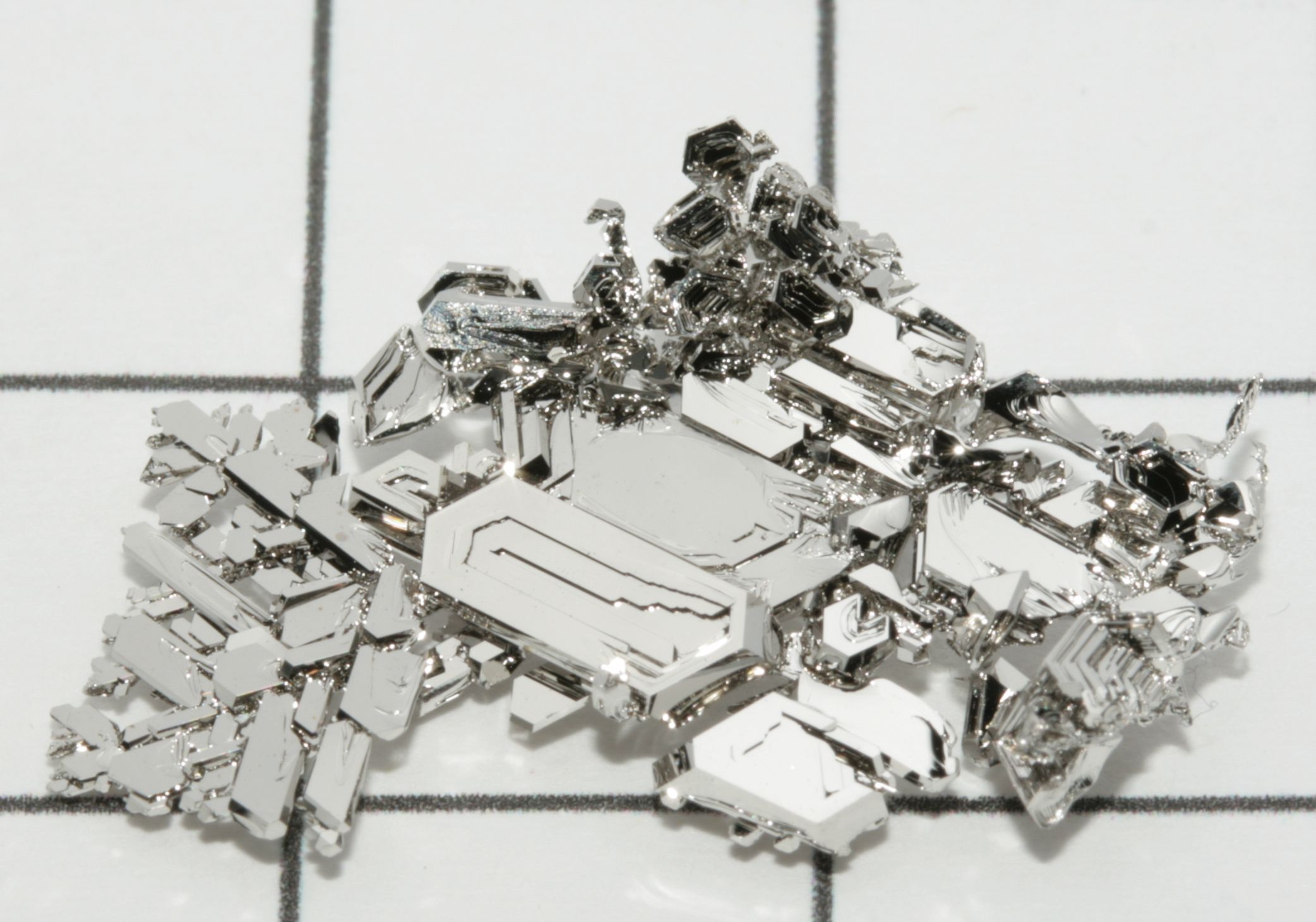
Pt
Pt
A precious metal element with the chemical symbol Pt. Platinum features a high melting point, high density, and strong oxidation resistance, commonly used in jewelry manufacturing for high-end accessories, as an important catalyst in petrochemical and fine chemical production, and in the electronics industry for high-precision electronic components.
1. Primary platinum group metal ores:
The ore is mainly composed of platinum group metal minerals such as native platinum, arsenoplatinum ore, and thioplatinum ore. Platinum often occurs in association with palladium, rhodium, iridium, ruthenium, and osmium, forming complex natural alloys. The most famous source is the Bushveld Complex in South Africa, which contains approximately 70% of the world's platinum resources. Platinum is also found in enriched strata such as the Melensky deposit. The Norilsk region of Russia is also an important source. Platinum group metal concentrates are obtained through complex beneficiation processes (gravity separation, flotation), followed by separation and purification using advanced hydrometallurgical/pyrometallurgical techniques (such as electric arc furnace smelting, chlorination volatilization, and solvent extraction).
2. Copper-nickel sulfide ore:
Copper-nickel sulfide ores are an important supplementary source of platinum, but platinum recovery rates and economic importance are generally lower than those of palladium in the same ores. The ores are primarily nickel pyrite and chalcopyrite. Platinum occurs as fine mineral particles or isomorphous forms within these sulfide minerals. A typical example is the Norilsk deposit in Russia, where palladium production among the platinum group metals far exceeds platinum production. Platinum is also a byproduct of the Sudbury mine in Canada. During copper-nickel smelting, platinum, along with palladium, is enriched in anode slime or matte and recovered as a high-value byproduct. Its production is directly influenced by the primary metal (nickel, copper) market and production scale.
 中文
中文  English
  Español
  Português