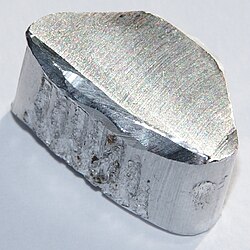
Al
Al
1. Bauxite:
The main aluminum-containing ores in nature are gibbsite and boehmite, among others. Their chemical composition consists of aluminum oxides and hydroxides, often accompanied by elements such as pig iron, silicon, and titanium. It is the sole initial raw material for the aluminum industry, and alumina is extracted through processes such as the Bayer process or sintering, providing the foundation for electrolytic aluminum production.
2. Aluminum concentrate:
Bauxite, enriched through beneficiation processes (such as flotation and magnetic separation), exhibits a significantly increased aluminum content and reduced levels of impurities such as silicon and iron. It is a preferred raw material for alumina production, improving smelting efficiency and reducing energy consumption, and is commonly used in alumina preparation processes where high raw material quality is required.
3. Aluminum ingots:
Primary metallic aluminum, obtained through the electrolytic reduction of alumina, typically refers to aluminum ingots for remelting, with a purity generally between 99.5% and 99.9%, containing trace elements such as silicon and iron. It is the basic raw material for aluminum processing and can be used directly in casting alloys, rolling aluminum products, or as a raw material for further processing, circulating in the metal trading market.
4. Electrolytic aluminum:
High-purity aluminum produced in an electrolytic cell via cryolite-alumina molten salt electrolysis typically achieves a purity of 99.5% to 99.99% (depending on grade). It exhibits uniform crystallization and excellent electrical conductivity, making it the end product of aluminum smelting. It can be directly used in fields with stringent purity requirements, such as power generation, electronics, high-end equipment, and food packaging.
5. Alumina powder:
A white powdery compound obtained from bauxite through chemical processing (Bayer process), with the chemical formula Al₂O₃, typically with a purity higher than 98%. It is a key intermediate product in aluminum smelting, possessing characteristics such as high melting point and high hardness. It is used directly in the production of electrolytic aluminum and is also widely used in ceramics, refractory materials, and catalysts.
6. Aluminum scrap:
Aluminum-containing scrap metal or industrial waste mainly comes from aluminum alloy profiles, scrap aluminum products, automotive parts, and packaging materials. It is an important recycled aluminum resource, and recycling and remelting can significantly reduce the energy consumption of electrolytic aluminum, making it a key link in achieving energy conservation and environmental protection in the aluminum industry.
 中文
中文  English
  Español
  Português