Carbon
Carbon
1. Coke:
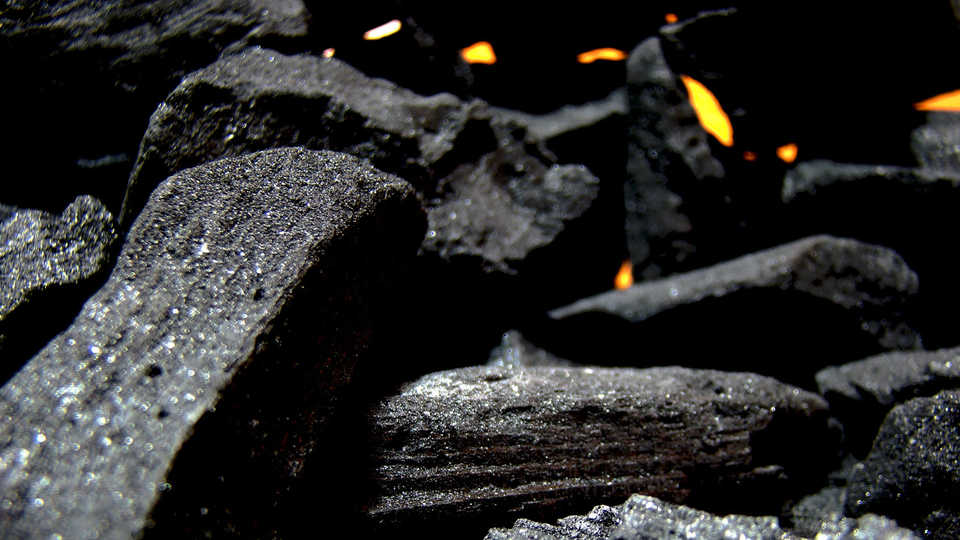
Coke is a solid product obtained by dry distillation (coking) of specific bituminous coal under high-temperature conditions in the absence of air. Its main component is carbon, and it is characterized by a silvery-gray metallic luster, porosity, high strength, and low volatile matter content. It is an indispensable reducing agent, fuel, and structural support in blast furnace ironmaking. It is also used in casting, calcium carbide, and ferroalloy production, serving as the "food" of the modern steel industry. Its quality directly determines the efficiency and cost of pig iron smelting.
2. Coal:
Coal is a solid, combustible organic rock formed from the remains of ancient plants through complex biochemical and physicochemical processes. Its main components are carbon, hydrogen, and oxygen, with trace amounts of nitrogen and sulfur. Based on its degree of coalification, it can be classified into lignite, bituminous coal, and anthracite. It is the world's most important primary energy source and chemical raw material, directly used for power generation, coking, gasification, and the production of various chemicals, forming the energy foundation of industrial society.
3. Graphite:
Graphite is a naturally occurring crystalline carbon mineral with the chemical formula C. It has a layered crystal structure and possesses metallic luster, high electrical and thermal conductivity, high temperature resistance, and lubricating properties. Industrially used graphite mainly includes natural flake graphite, amorphous graphite, and artificial graphite produced from petroleum coke and other raw materials through high-temperature graphitization. It is a strategic basic material, widely used in refractory materials, metallurgy, conductive materials (such as electrodes), lubricants, and is a core raw material for lithium-ion battery anode materials, nuclear reactor moderators, and aerospace sealing materials, connecting traditional industries with new energy and high-tech industries.
4. Diamond:
Diamond is the hardest known natural substance. It is a cubic allotrope of carbon formed under extremely high temperature and pressure, with the chemical formula C. Natural diamonds are formed deep in the Earth's mantle and brought to the surface by volcanic eruptions (kimberlite or lamproite).
 中文
中文  English
  Español
  Português