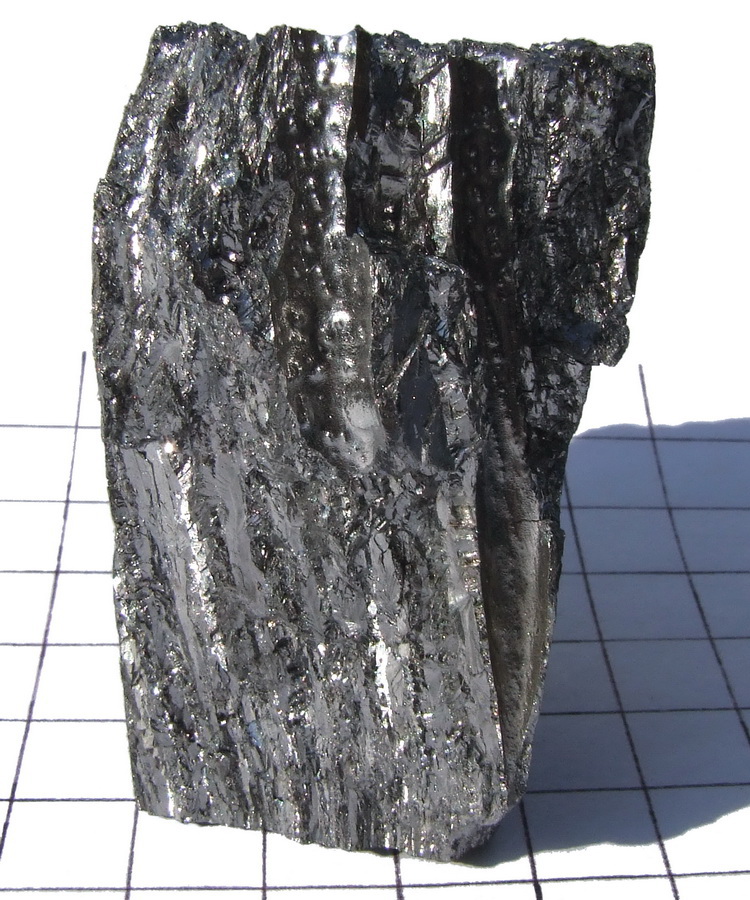
Be
Be
1. Beryllium ore:
In nature, beryllium-containing ores primarily contain beryllium, with beryl being the most common and representative mineral, its chemical formula being Be₃Al₂(Si₆O₁₈). Other minerals containing beryllium include hydroxyl-beryllite and chrysoberyl. It often occurs in association with rare metal minerals such as lithium, niobium, tantalum, tin, and tungsten. As an initial raw material for the beryllium industry, it requires complex beneficiation and chemical enrichment processes to lay the foundation for the subsequent extraction of metallic beryllium and its compounds.
Beryl (Be₃Al₂(Si₆O₁₈)) is the most important beryllium ore mineral. Its crystals are often hexagonal prismatic and come in a variety of colors (emerald, aquamarine, etc. are varieties). Beryllium oxide is actually produced in very low grades in industrial ore. Traditionally, it is obtained by manual sorting or flotation from granite pegmatites. Its extraction is costly, complex, and associated with radioactive elements (uranium, thorium).
Beryllium hydroxysilicate (Be₄Si₂O₇(OH)₂) is a secondary mineral, often formed by the alteration of primary minerals such as beryl under hydrothermal conditions. It typically occurs as radial aggregates or crusts, and is white to pale yellow in color. While less well-known than beryl, it can be used as a raw material for extracting beryllium in some deposits.
Chrysoberyl (BeAl₂O₄) is a rare oxide mineral, best known for its variety alexandrite (which exhibits a color-change effect). It is hard and commonly found in granite pegmatites and mica schists.
2. Beryllium concentrate:
Beryllium oxide is an intermediate product obtained from beryllium ore through crushing, gravity separation, flotation, and subsequent chemical treatments (such as acid leaching and precipitation). Its main components are beryllium hydroxide or a mixture of low-grade beryllium oxide. The beryllium content (based on beryllium oxide) is typically low, and it often contains impurities such as lithium, aluminum, and silicon. It is a core raw material in modern beryllium smelting processes and is directly used to produce high-purity beryllium oxide, metallic beryllium, or beryllium-copper alloy master alloys.
3. Beryllium waste:
Beryllium waste primarily originates from shavings and scraps generated during the processing of beryllium-copper alloys, as well as discarded beryllium-containing components. Due to the high cost and environmental risks of extracting beryllium from ore, the recycling rate of beryllium waste (especially beryllium-copper waste) is extremely high, making it a core element in maintaining the stability of the beryllium supply chain and reducing costs. The recycling process must be carried out in a strictly closed system to prevent the spread of toxic dust.
 中文
中文  English
  Español
  Português