Mn
Mn
1. Manganese ore:
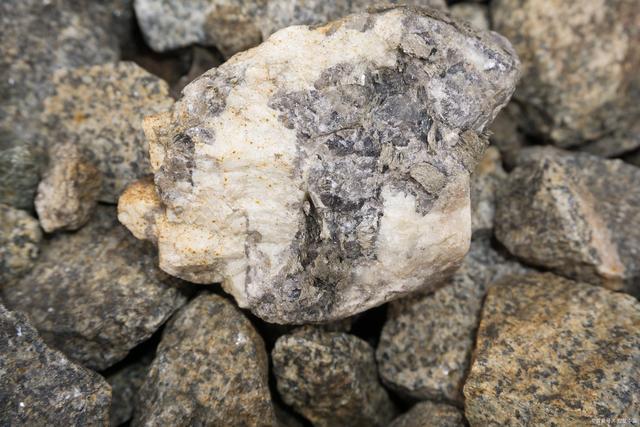
Manganese-bearing ores in nature contain manganese as their main chemical element. Common minerals include pyrolusite (MnO₂), pyrolusite (mMnO·MnO₂·nH₂O), and rhodochrosite (MnCO₃). These ores often contain associated elements such as iron, silicon, phosphorus, cobalt, and nickel. As the initial raw material for the manganese industry, it provides the foundation for the subsequent production of manganese alloys, electrolytic manganese metal, and chemical products through mining and beneficiation processes.
2. Manganese concentrate:
Manganese ore, after being enriched through processes such as crushing, gravity separation, magnetic separation, or flotation, yields a product with significantly improved manganese grade, while controlling the content of harmful impurities such as silica and phosphorus. It is a core raw material for manganese smelting, primarily used in the production of ferromanganese alloys, manganese-silicon alloys, and electrolytic manganese metal. Its quality directly impacts the performance of downstream products and the economics of smelting.
3. Ferromanganese:
This is a composite ferroalloy produced by smelting manganese ore, silica, and coke in a submerged arc furnace using a carbothermal reduction method. Its main components are manganese, silicon, and iron (such as FeMn65Si17), representing a typical combination of manganese and silicon. It is the most widely used deoxidizer and alloying agent in the steel industry, playing a crucial role in deoxidation, desulfurization, and increasing the manganese and silicon content during steelmaking. It is a core product connecting the manganese ore and steel industry chains.
4. Electrolytic manganese:
High-purity metallic manganese, extracted from manganese concentrate or manganese carbonate powder through hydrometallurgical processes (leaching, purification, electrolysis), is typically in flake form and can achieve a purity of over 99.7%. It is a high-purity form of manganese metal and is primarily used in the production of 200-series stainless steel, special alloys (such as aluminum-manganese alloys), and as a raw material for high-value-added chemical products (such as high-performance magnetic materials and pharmaceutical intermediates). Its production requires extremely stringent environmental control and process management.
 中文
中文  English
  Español
  Português